
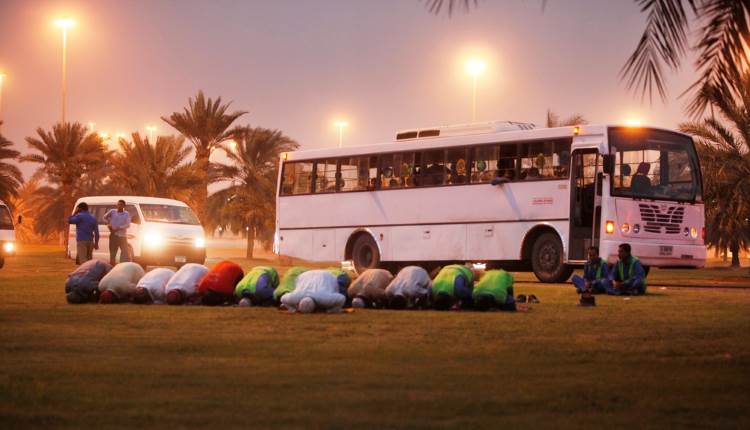

I would like to ask about Qasr prayers. In the Quran, it is said that a person will not be held responsible if he shortens his prayers when on a journey, while equipped with the fear of being harassed by his enemies.
But what I have heard from most scholars is that one can shorten his prayers whenever he is on a journey, irrespective of being in fear or afraid of enemies.
What is your opinion on the issue?
Answer
Our opinion is that the concession of shortening prayers during journeys when there was fear, was extended by the prophet, alaihissalaam, to journeys where even though there was no fear, yet there were possibilities for one to be unnecessarily fatigued if the complete prayer was to be said. In other words, the prophet extended the application of the Quranic law of shortening prayers by keeping in view the spirit of the teaching, which essentially meant giving concession to believers whenever such it was needed. And Allah knows the best.